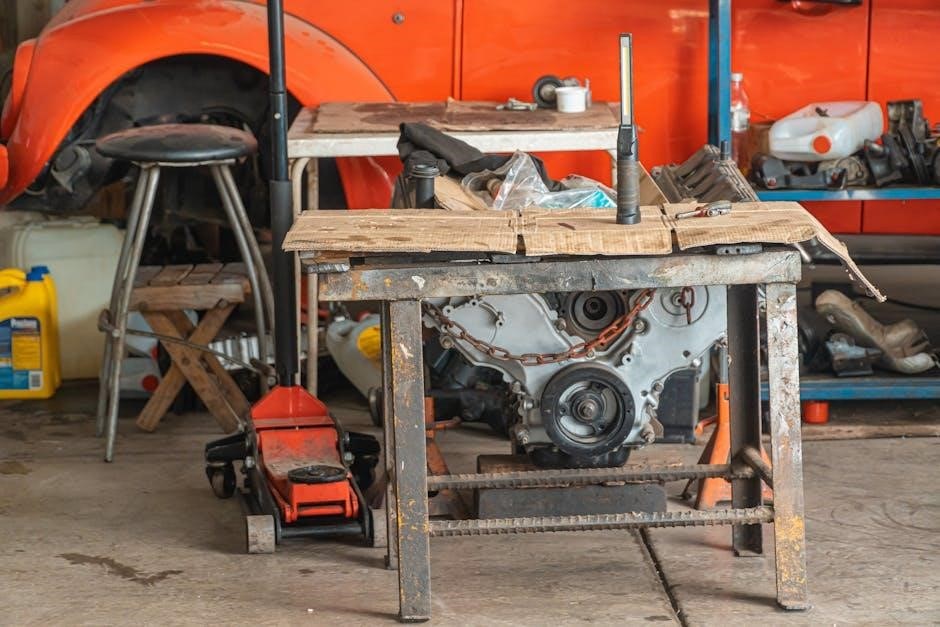
Maintaining optimal performance in your 1993 Ford Ranger’s 2.3L engine relies heavily on proper manual transmission care, specifically the gear oil’s condition.
Overview of the 1993 Ford Ranger 2.3L
The 1993 Ford Ranger, particularly those equipped with the 2.3L inline-four engine and a manual transmission, represents a robust and reliable workhorse. This generation Ranger, spanning from 1993 to 1997, offered a significant redesign compared to previous models, boasting a more modern appearance and improved interior comfort.
The 2.3L engine itself is known for its durability and fuel efficiency, making it a popular choice for both daily commuting and light-duty tasks. Coupled with a five-speed manual transmission, it provides a responsive and engaging driving experience. However, like all mechanical components, the manual transmission requires regular maintenance to ensure longevity and optimal performance.
The manual transmission in these Rangers utilizes gear oil – a specialized lubricant – to reduce friction between moving parts, preventing wear and tear. Over time, this fluid degrades due to heat, contamination, and normal use. Ignoring this degradation can lead to shifting difficulties, increased noise, and ultimately, transmission failure. Understanding the Ranger’s design and the importance of transmission fluid maintenance is crucial for any owner seeking to preserve its value and reliability.
Why Manual Transmission Fluid Matters
The manual transmission fluid, often referred to as gear oil, in your 1993 Ford Ranger 2.3L is absolutely vital for smooth operation and longevity. It’s far more than just a lubricant; it actively cools critical components like gears and bearings, reducing friction and preventing premature wear. Without properly functioning fluid, metal-on-metal contact increases dramatically, leading to costly repairs.
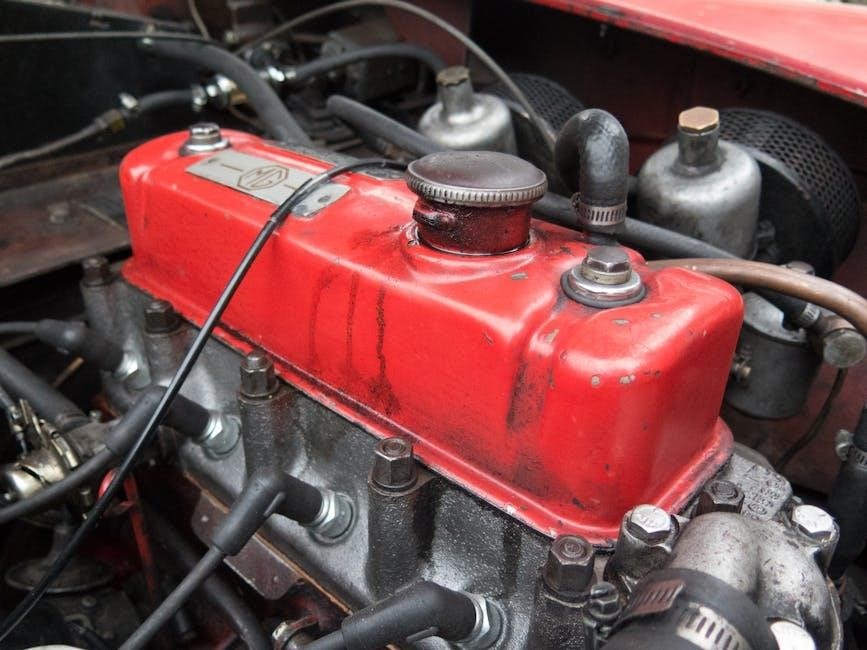
This specialized oil also protects against corrosion and suspends metallic particles created during normal transmission use. These particles are then captured by a magnetic plug within the transmission, preventing them from circulating and causing further damage. Degraded fluid loses its ability to effectively perform these functions.
Old or contaminated fluid results in difficult shifting, grinding noises, and reduced fuel efficiency. Ignoring fluid changes can ultimately lead to complete transmission failure, a significantly more expensive repair than a routine fluid change. Maintaining clean, fresh gear oil is a proactive step towards ensuring your Ranger’s continued reliability and enjoyable driving experience.

Safety Precautions
Performing a manual transmission fluid change on your 1993 Ford Ranger 2.3L requires careful attention to safety. Always work in a well-ventilated area, as used transmission fluid contains potentially harmful chemicals. Wear appropriate personal protective equipment, including safety glasses to prevent splashes and oil-resistant gloves to protect your skin.
Before lifting the vehicle, ensure it’s parked on a level surface and the parking brake is firmly engaged. Use jack stands – never work under a vehicle supported only by a jack. Hot exhaust components are nearby; allow the vehicle to cool sufficiently before beginning work.
Used transmission fluid is considered hazardous waste and must be disposed of properly at a designated recycling center. Do not pour it down drains or onto the ground. Be mindful of potential spills and clean them up immediately with absorbent materials. Finally, consult your vehicle’s repair manual for specific safety recommendations and torque specifications.
Tools and Materials Needed
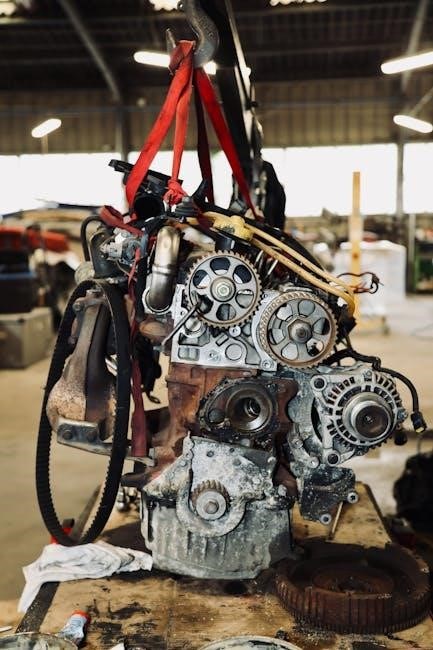
Successfully changing your 1993 Ford Ranger 2.3L’s manual transmission fluid requires specific tools and materials for a smooth and efficient process.
Required Tools List
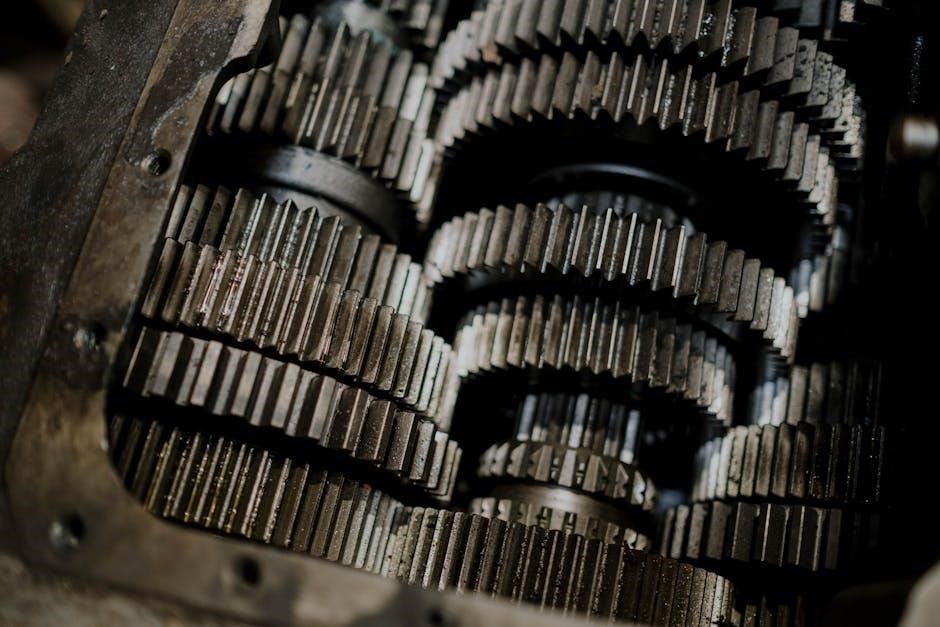
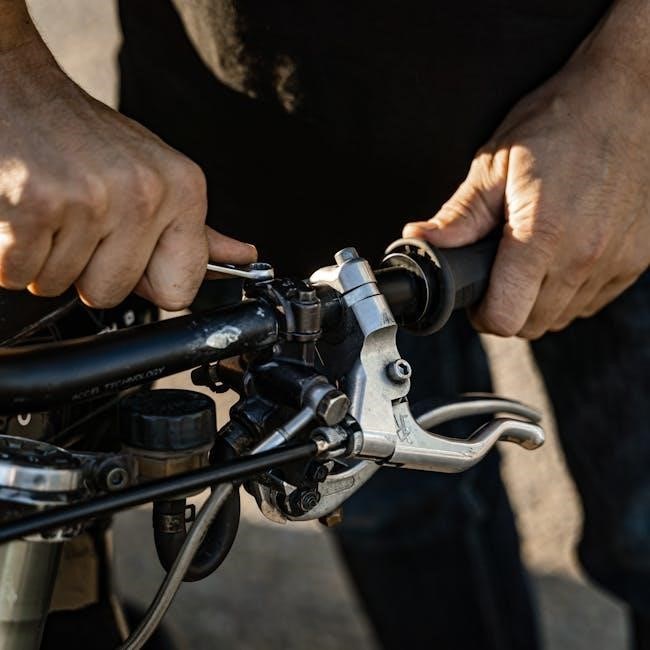
Performing a manual transmission fluid change on your 1993 Ford Ranger 2.3L necessitates a collection of essential tools. You’ll absolutely need a socket wrench set, including sizes appropriate for the drain and fill plugs – typically ranging from 1/2 inch to 9/16 inch. A torque wrench is crucial for correctly tightening the drain plug to the manufacturer’s specifications, preventing leaks or damage.
Beyond wrenches, a drain pan with sufficient capacity (at least 6 quarts) is vital to catch the old fluid. A funnel, preferably with a flexible extension, will aid in cleanly pouring the new fluid into the transmission. Gloves are highly recommended to protect your hands from the used gear oil.
Depending on the fill plug location, a pump or fluid transfer bottle may be necessary to get the new fluid into the transmission. Breaker bar can be helpful if the plugs are stubborn. Finally, have some shop rags readily available for cleaning up any spills or drips during the process. Safety glasses are also a must to protect your eyes.
Fluid Type and Quantity (GL-4 75W-90)
For your 1993 Ford Ranger 2.3L’s manual transmission, specifying the correct fluid is paramount. The recommended fluid type is a GL-4 rated 75W-90 gear oil. This viscosity ensures proper lubrication across a wide range of temperatures, protecting the gears from wear and tear. Do not use GL-5 rated oil, as it can corrode the brass synchronizers commonly found in older transmissions like yours.
Determining the exact quantity needed requires consideration, but generally, the 1993 Ranger 2.3L manual transmission requires approximately 2.8 to 3.2 quarts of gear oil. It’s always best to start with 2.8 quarts and incrementally add more, checking the fluid level as detailed later in this guide.
Purchasing a high-quality synthetic or conventional GL-4 75W-90 gear oil from a reputable brand is advisable. Avoid mixing different types of gear oil. Always refer to your owner’s manual for confirmation, though this information is a reliable guideline.
Drain Pan and Funnel
Having the right containment and transfer tools is crucial for a clean and efficient manual transmission fluid change on your 1993 Ford Ranger 2.3L. A sufficiently sized drain pan is essential – aim for a capacity of at least 6 quarts to comfortably hold all the old fluid without overflow. Choose a pan with a low profile to easily slide under the vehicle.
Alongside the drain pan, a funnel is indispensable for adding the new gear oil. Select a funnel with a flexible spout that can reach the fill plug opening without spilling. A long-neck funnel is particularly helpful, given the transmission’s location.
Consider using a funnel with a mesh screen to filter out any debris that might accidentally enter the transmission during the filling process. Disposable funnels are convenient for minimizing cleanup. Having both these items prepared beforehand streamlines the entire fluid change procedure, preventing messes and ensuring a smooth operation.

Step-by-Step Fluid Change Procedure
Follow these detailed instructions to successfully change the manual transmission fluid in your 1993 Ford Ranger 2.3L, ensuring smooth shifting and longevity.
Locating the Drain and Fill Plugs
Identifying the drain and fill plugs is the crucial first step. On your 1993 Ford Ranger 2.3L with a manual transmission, locate the transmission itself – it’s directly connected to the engine. The drain plug is typically found on the lower side of the transmission case. It resembles a standard bolt head, often facing downwards. You’ll likely find it towards the rear of the transmission.
The fill plug, conversely, is positioned higher up on the transmission case, usually on the side. It can sometimes be a bit obscured by other components, so a flashlight is helpful. It also looks like a bolt, but may be slightly larger than the drain plug.
Important Note: Before attempting to remove either plug, ensure you have the correct size wrench or socket. Trying to force the wrong size can strip the bolt head, creating a much bigger problem. A good rule of thumb is to locate the fill plug first, and ensure you can remove it before draining the fluid. This prevents being stranded with a drained transmission and a stuck fill plug!
Preparing the Vehicle (Level Surface & Jacking)
Safety and accessibility are paramount. Begin by parking your 1993 Ford Ranger on a completely level surface. This ensures accurate fluid level readings later. Engage the parking brake firmly – this is non-negotiable! Next, if sufficient ground clearance isn’t available to comfortably work under the vehicle, you’ll need to jack it up.
Always use a proper floor jack and, crucially, jack stands. Never work under a vehicle supported only by a jack! Position the jack stands securely under the frame rails, behind the front wheels. Once the vehicle is safely supported, double-check its stability by gently rocking it.
Consider using wheel chocks behind the rear wheels for an extra layer of security. Wearing safety glasses is also recommended to protect your eyes from debris. Finally, allow the engine and transmission to cool down somewhat before proceeding, as the metal can become hot during operation.
Draining the Old Fluid
With the vehicle securely supported, position your drain pan directly beneath the transmission drain plug. This plug is typically located on the lower side of the transmission housing. Using the correct size wrench (usually a square drive), carefully loosen the drain plug. Be prepared for the fluid to flow once the plug is fully removed – it may be warm!
Allow the transmission to drain completely. This can take 20-30 minutes. To speed up the process, you can gently rock the vehicle back and forth (while still securely on jack stands!). Ensure the drain pan is large enough to hold all the old fluid; the 1993 Ranger 2.3L manual transmission typically holds around 2.8 quarts.
Inspect the drained fluid for any metal shavings or debris, which could indicate internal transmission wear. A small amount of metallic sheen is normal, but large chunks are a concern.
Cleaning the Drain Plug & Magnetic Chip
Once the fluid has completely drained, carefully remove the drain plug from the pan. You’ll notice a magnetic chip embedded within the plug – this is designed to capture metallic particles circulating within the transmission. Thoroughly clean both the drain plug and the magnetic chip using a parts cleaning solvent or brake cleaner and a clean rag.
Inspect the magnetic chip closely. The amount and type of metal particles clinging to it provide valuable insight into the transmission’s internal condition. Excessive amounts of larger metal flakes suggest potential gear or bearing wear, warranting further investigation.
Ensure the drain plug’s sealing surface is clean and free of any damage. Replace the drain plug washer if it appears worn or crushed. A new washer will help ensure a proper seal and prevent leaks upon reinstallation. A clean plug is crucial for long-term reliability.
Reinstalling the Drain Plug (Torque Specs)
With the drain plug and magnetic chip meticulously cleaned, carefully reinstall the drain plug back into the transmission housing. It’s absolutely critical to tighten the drain plug to the manufacturer’s specified torque to prevent leaks and avoid damaging the transmission case threads.
For a 1993 Ford Ranger 2.3L with a manual transmission, the drain plug torque specification is typically 22-28 lb-ft (30-38 Nm). Always use a calibrated torque wrench to ensure accurate tightening. Avoid over-tightening, as this can strip the threads or crack the transmission case.
Double-check that the new drain plug washer (if used) is properly seated before tightening. After reaching the specified torque, give the plug a slight additional nudge to ensure it’s fully seated. A properly torqued drain plug is essential for maintaining fluid levels and preventing costly repairs.

Filling the Transmission with New Fluid
Now that the old fluid is drained, carefully introduce the correct GL-4 75W-90 manual transmission fluid back into the gearbox, ensuring proper lubrication;
Locating the Fill Plug
Identifying the fill plug on your 1993 Ford Ranger’s manual transmission is crucial for a successful fluid change. It’s typically located on the side of the transmission case, higher up than the drain plug. Visually, it resembles the drain plug – a square or hex-shaped head – but is positioned for access when the transmission is filled.
To pinpoint its exact location, start by looking on the driver’s side of the transmission. Often, it’s situated near the shift linkage or the speedometer cable connection. You might need a flashlight and a keen eye, as it can be partially obscured by surrounding components. It’s not always easily visible from above, so getting under the vehicle might be necessary.
Carefully clean the area around the suspected fill plug to remove any dirt or grime that could prevent accurate identification. Once located, ensure it’s the correct plug by confirming it’s accessible for a wrench or socket. Remember, identifying the correct fill plug prevents accidental damage to other transmission components.
Adding New Fluid (Using a Pump or Bottle)
With the drain plug securely fastened, it’s time to introduce the fresh GL-4 75W-90 manual transmission fluid. Due to the fill plug’s location, pouring directly from a bottle is often impractical. A fluid pump designed for automotive applications is highly recommended. These pumps attach to the fluid container and allow for controlled dispensing through a flexible hose.
Insert the hose fully into the fill hole, ensuring a tight seal to prevent spills. Begin pumping slowly, observing the fluid level as you go. Avoid overfilling, as this can lead to leaks and potential damage. If using a bottle with a flexible spout, carefully direct the spout into the fill hole, again avoiding spills.
Pumping or pouring should be done steadily until fluid begins to trickle out of the fill hole, indicating the transmission is nearing its proper level. Stop immediately when you see fluid escaping, and proceed to the fluid level check to finalize the process.
Checking the Fluid Level
After adding new GL-4 75W-90 fluid, verifying the correct level is crucial for optimal 1993 Ford Ranger 2.3L manual transmission operation. With the vehicle still supported, and the fill plug removed, observe the fill hole. The fluid level should be right at the bottom edge of the fill hole – a slight dribble or overflow when gently agitated is ideal.
If the fluid isn’t quite level, add small amounts using your pump or bottle, rechecking after each addition. Avoid adding too much, as overfilling can cause pressure buildup and leaks. Once the fluid level is correct, thoroughly clean any spilled fluid from around the fill plug area.
Finally, reinstall the fill plug and tighten it to the manufacturer’s specified torque (refer to a repair manual for the exact specification). Double-check that both the drain and fill plugs are securely tightened before lowering the vehicle.
Post-Change Checks and Maintenance
Following the fluid change, diligent inspection and routine maintenance are vital for your 1993 Ford Ranger’s transmission longevity and smooth operation.
Test Drive and Observation
After completing the manual transmission fluid change on your 1993 Ford Ranger 2.3L, a thorough test drive is crucial. Begin with a short, slow drive in a safe, open area. Pay close attention to how the transmission engages each gear – first, second, third, and reverse.
Listen carefully for any unusual noises, such as whining, grinding, or clunking sounds, which could indicate incomplete fluid fill, improper lubrication, or potential damage. Feel for any vibrations or harshness during gear changes.
Gradually increase your speed and test the transmission through its full range of operation, including acceleration and deceleration. Observe how easily the clutch engages and disengages. A smooth, consistent clutch feel is a good sign.
During the test drive, also assess the overall shift quality. Shifts should be crisp and precise, without any hesitation or slipping. Note any difficulty getting into specific gears. This initial observation period will help identify any immediate issues requiring further investigation.
Checking for Leaks
Following the test drive of your 1993 Ford Ranger 2.3L after the manual transmission fluid change, a meticulous leak check is paramount. Park the vehicle on a clean, dry surface – ideally a concrete driveway or garage floor. Allow the transmission to cool down for at least 30 minutes to avoid false positives from residual heat.
Carefully inspect the area around both the drain and fill plugs on the transmission housing. Look for any signs of fresh fluid, which will typically appear shiny and have a distinct odor. Pay close attention to the threads of the plugs themselves, as these are common leak points.
Also, examine the transmission case for any seepage, particularly along the seams and around the input and output shafts. Use a flashlight to illuminate hard-to-reach areas. If any leaks are detected, tighten the respective plug or consult a qualified mechanic for further diagnosis and repair. Addressing leaks promptly prevents fluid loss and potential transmission damage.
Recommended Fluid Change Intervals
For your 1993 Ford Ranger 2.3L with a manual transmission, adhering to a regular fluid change schedule is crucial for longevity. While Ford doesn’t specify a rigid interval in the owner’s manual for this era, a general guideline is to change the GL-4 75W-90 gear oil every 30,000 to 50,000 miles.
However, consider your driving conditions. Frequent towing, off-roading, or consistently harsh driving (stop-and-go traffic, aggressive shifting) necessitate more frequent changes – perhaps every 30,000 miles. Conversely, primarily highway driving allows extending the interval towards 50,000 miles.
Regularly inspect the fluid’s condition. If it appears dark, cloudy, or contains metallic particles, change it regardless of mileage. Keeping a detailed maintenance log will help you track fluid change dates and ensure optimal transmission health. Proactive maintenance prevents costly repairs down the road, preserving your Ranger’s reliability.