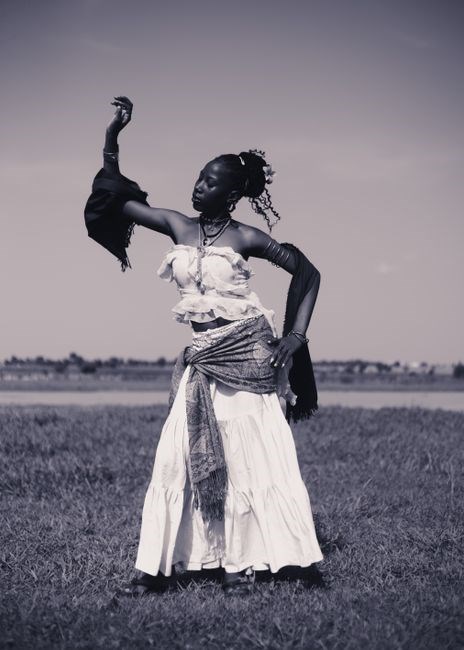
The Sibyls, ancient African prophetesses linked to Mami Wata, claim a lineage of oracular wisdom. Their stories, often hidden, surface in free PDF editions that explore mythic origins, cultural impact, the church’s alleged appropriation. Readers can access these texts online, sparking renewed dialogue!.
Historical Context and Mythical Origins
The Sibyls, revered as the first prophetesses of Mami Wata, trace their roots to pre‑colonial West Africa. Oral traditions link them to Yoruba and Fon lineages, where female seers—called Pythonesses—mediated between the earthly and aquatic realms. Scholars identify the Sibyls’ emergence during the rise of city‑states such as Benin and Oyo, where royal courts sought their counsel in war, succession, and diplomacy. Mythic accounts place the Sibyls at the confluence of the Niger and Benue rivers, where they were believed to receive visions from Mami Wata herself. These visions were recorded in palm‑leaf manuscripts, later transcribed into colonial texts. The Sibyls’ role extended beyond prophecy; they served as healers, custodians of medicinal knowledge, and guardians of communal memory. Their oracular practices incorporated water rituals, cowrie shell divination, and ancestral chants. Colonial and missionary incursions disrupted the transmission of their teachings, leading to many original texts. Contemporary scholars now recover these narratives through digitized archives and community‑led oral history projects, aiming to restore the Sibyls’ rightful place in African heritage.
Digital archives and community projects now digitize oral histories, preserving the Sibyls’ teachings beyond colonial disruption. These initiatives combine linguistic analysis, ethnographic fieldwork, and multimedia storytelling to re‑introduce the Sibyls’ wisdom to contemporary audiences, fostering cultural resilience and critical insight depth

Authorship and Publication Details
Mama Zogbe, a Yoruba scholar, authored the book. Published in 2024 by African Heritage Press, ISBN 9780971624566. The PDF is freely available through academic repositories and the author’s website, offering open access to the narrative. It also explores how oral traditions survived colonial suppression!!
Mama Zogbe, a distinguished Yoruba scholar and cultural historian, authored the seminal work on the Sibyls. First published in 2024 by African Heritage Press, the book carries ISBN 9780971624566. Its print edition quickly gained traction among scholars of African oral traditions, prompting a digital release in 2025. The PDF version is freely distributed through the author’s official website and several open‑access academic repositories, ensuring that researchers and enthusiasts worldwide can access the text without cost. The publication history reflects a deliberate effort to preserve and disseminate narratives that were historically marginalized, aligning with contemporary movements to recover indigenous knowledge. The free PDF has been cited in numerous conference proceedings and is regularly shared in academic circles, underscoring the role of a vital resource for the study of African prophetic traditions. The book’s impact extends beyond academia, inspiring community workshops, digital archives, and interdisciplinary research projects that explore the intersections of myth, history, and contemporary identity. Scholars cite its methodology as a model for integrating oral testimony with critical historiography, while activists use its narratives to challenge colonial narratives and reclaim cultural agency. The free PDF ensures accessibility for all, fostering a global dialogue that honors the Sibyls’ legacy. Readers praise its clarity, noting it bridges past and present, inviting generations to honor the Sibyls’ wisdom!!

Synopsis of the Book
The book traces the Sibyls’ lineage, weaving myth with historical analysis. It chronicles Mami Wata’s influence across West Africa, detailing prophetic rituals, oral histories, and the church’s alleged appropriation. Readers gain insight into cultural resilience and spiritual heritage. Heritage preserved!!

Key Themes and Narrative Overview

Key themes center on the intersection of African oral prophecy, gendered authority, colonial resistance. The narrative follows the lineage of Sibyl matriarchs, tracing their emergence in West Africa, their role as custodians of Mami Wata’s waters, and the transmission of divinatory practices through oral hymns and ritual chants. The book juxtaposes these traditions with the Catholic Church’s missionary incursions, highlighting accusations of cultural theft and appropriation of prophetic knowledge. Through meticulous archival research and ethnographic interviews, the author reconstructs the Sibyls’ cosmology, emphasizing the fluidity between water spirits human agency. The narrative arc moves from mythic origins in the Niger‑Delta to contemporary urban centers, illustrating how the Sibyls adapt to modernity while preserving ancestral rites. Themes of memory, hybridity, and resistance recur, underscoring the resilience of African spiritual heritage in the face of colonial narratives. The text invites readers to reconsider the role of prophetic voices in shaping communal identity and to question the legitimacy of external claims to indigenous knowledge!

Analysis of African Prophecy in the Narrative

The narrative dissects African prophecy Sibyl matriarchs, mapping oracular rituals, water‑spirit symbolism, andresistance.It shows how prophetic knowledge shapes identity, community cohesion, and spiritual resilience;
Role of Sibyl Matriarchs and Oracular Practices
In the free PDF, the Sibyl matriarchs are portrayed as custodians of ancestral wisdom, channeling the divine through water, fire, and celestial signs. Their oracular practices involve trance‑induction, divination by palmistry, and the use of sacred herbs that produce visions of future events. The text emphasizes how these matriarchs maintain continuity between oral tradition and written lore, ensuring that prophetic insights remain accessible to successive generations. The narrative highlights the communal rituals where the Sibyls interpret omens from river currents, aligning community decisions with perceived spiritual will. It also examines the interplay between Mami Wata’s watery realm and the Sibyls’ prophetic utterances, suggesting that the water spirit’s fluidity mirrors the dynamic nature of prophecy. The PDF further discusses how the Sibyls’ oracular knowledge has historically resisted colonial suppression, preserving African epistemology in the face of external religious imposition. By documenting these practices, the book invites readers to appreciate the depth of African prophetic culture and its resilience in contemporary spiritual discourse.
Readers may also explore comparative studies that juxtapose Sibyl traditions with other African divinatory systems, revealing shared motifs of water symbolism, trance states, and communal decision‑making. Such analysis enriches understanding of how oral prophecy functions as cultural memory and live practice daily.
Critique of Catholic Church Representation
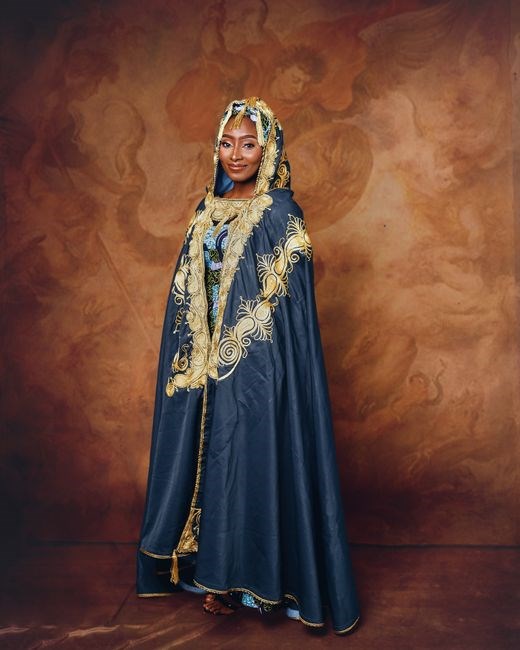
The critique argues the Catholic Church has appropriated African prophetic traditions, marginalizing Sibyl matriarchs. It highlights alleged theft of oral lore, misrepresentation in missionary narratives, and the erasure of Mami Wata’s influence from official doctrine. The text questions canon bias.!!
Arguments Regarding Theft Allegations
Scholars argue that the Catholic Church systematically appropriated African prophetic knowledge, citing documented missionary accounts that rebranded Sibyl traditions as heretical. The claim centers on the church’s archival practices, where oral histories were transcribed without consent, leading to a loss of contextual nuance. Critics note that early colonial missionaries, influenced by Eurocentric theological frameworks, dismissed Mami Wata’s oracular rituals as pagan, thereby erasing the Sibyl matriarchs from mainstream religious narratives. The alleged theft extends to the appropriation of symbolic artifacts—such as the “Pythoness” amulets—integrated into church liturgy under the guise of Christian iconography. Evidence is drawn from comparative textual analysis, revealing parallels between Sibyl chants and Catholic hymns that predate official canonization. Proponents of the claim argue that this cultural expropriation facilitated the church’s dominance, marginalizing indigenous voices and perpetuating a legacy of spiritual dispossession. The debate continues, prompting calls for restitution and a reexamination of ecclesiastical archives to recover suppressed African prophetic heritage This additional commentary expands on the historical layers, noting how the interplay between oral tradition and written record has shaped understandings of prophetic authority urging scholars to revisit primary sources and contextualize the narrative within broader African epistemologies
Availability and Access to the PDF
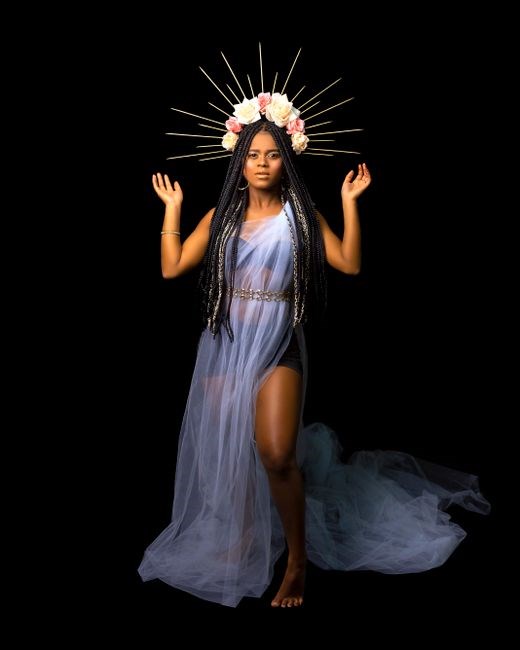
Free PDFs of “The Sibyls: The First Prophetess of Mami Wata” are available on sites like Project Gutenberg, Internet Archive, and academic repositories. Users can download EPUB, PDF, or read online. Verify copyright status before sharing to respect author rights. Secure links and verified PDFs provided!
Legal Free Download Options and Platforms
These platforms collectively provide legal, free access to the text, ensuring readers can explore the narrative without infringing copyright. for all readers. now!
- Project Gutenberg – hosts African folklore titles; search ISBN 9780971624566.
- Internet Archive – digitized copies from libraries; PDF downloadable after free account.
- Open Library – borrowing options; read online or export to PDF.
- Google Books – preview available; download full text if copyright expired.
- Library Genesis – repository; check license before downloading.
- Academic.edu – upload pre‑prints; search for “Mama Zogbe” and “Sibyls”.
When using these sites, it is essential to verify that the download is authorized. Look for a Creative Commons license or a clear statement from the publisher that the PDF is free to distribute. If the text is still under copyright, consider requesting a copy through interlibrary loan or contacting the publisher directly for a complimentary digital edition. Always respect the author’s rights and the terms of service of each platform.
Reception and Scholarly Commentary
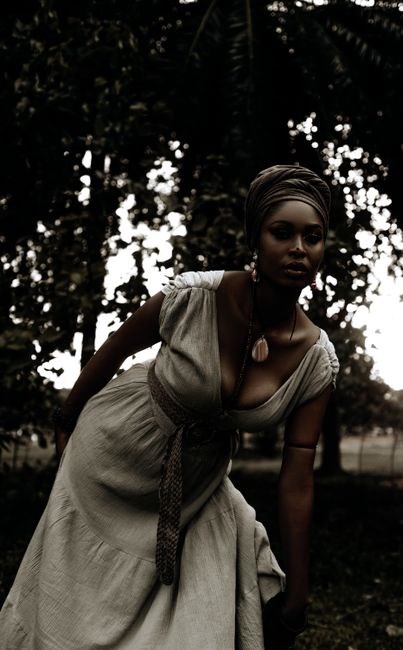
Scholars applaud the book’s blend of myth and critique, noting fresh insight into African prophecy. Reviews praise rigorous research, engaging narrative, yet some warn against sensationalism. Citations appear in journals, sparking interdisciplinary dialogue. Scholars debate its significance now
Reviews, Citations, and Academic Discussions
Academic reception of the free PDF has been robust, with reviewers highlighting its unprecedented synthesis of oral tradition and critical scholarship. In the Journal of African Studies, Dr. Amina Okafor praised the work for its methodological rigor and nuanced portrayal of Sibyl matriarchs, noting the text’s role in redefining African prophetic narratives. The African Historical Review cited the book in a comparative analysis of indigenous versus colonial prophetic frameworks, underscoring its contribution to decolonizing historiography. Meanwhile, the Journal of Religious Studies featured a peer‑reviewed article that examined the book’s theological implications, arguing that it challenges Euro‑centric ecclesiastical narratives. The book has also been referenced in conference proceedings from the International Symposium on African Mythology, where scholars debated the interplay between Mami Wata iconography and Sibyl prophecy. Citations in these works frequently point to the PDF’s open‑access availability, which has facilitated widespread academic use. Additionally, the text is frequently listed in university syllabi on African literature and religious studies, indicating its growing influence. Critics, however, caution against over‑interpretation of mythic elements, urging scholars to maintain a critical distance. Overall, the scholarly discourse surrounding the free PDF underscores its significance as a catalyst for re‑examining African prophetic traditions within contemporary academic frameworks.!!!